Working Papers Blog
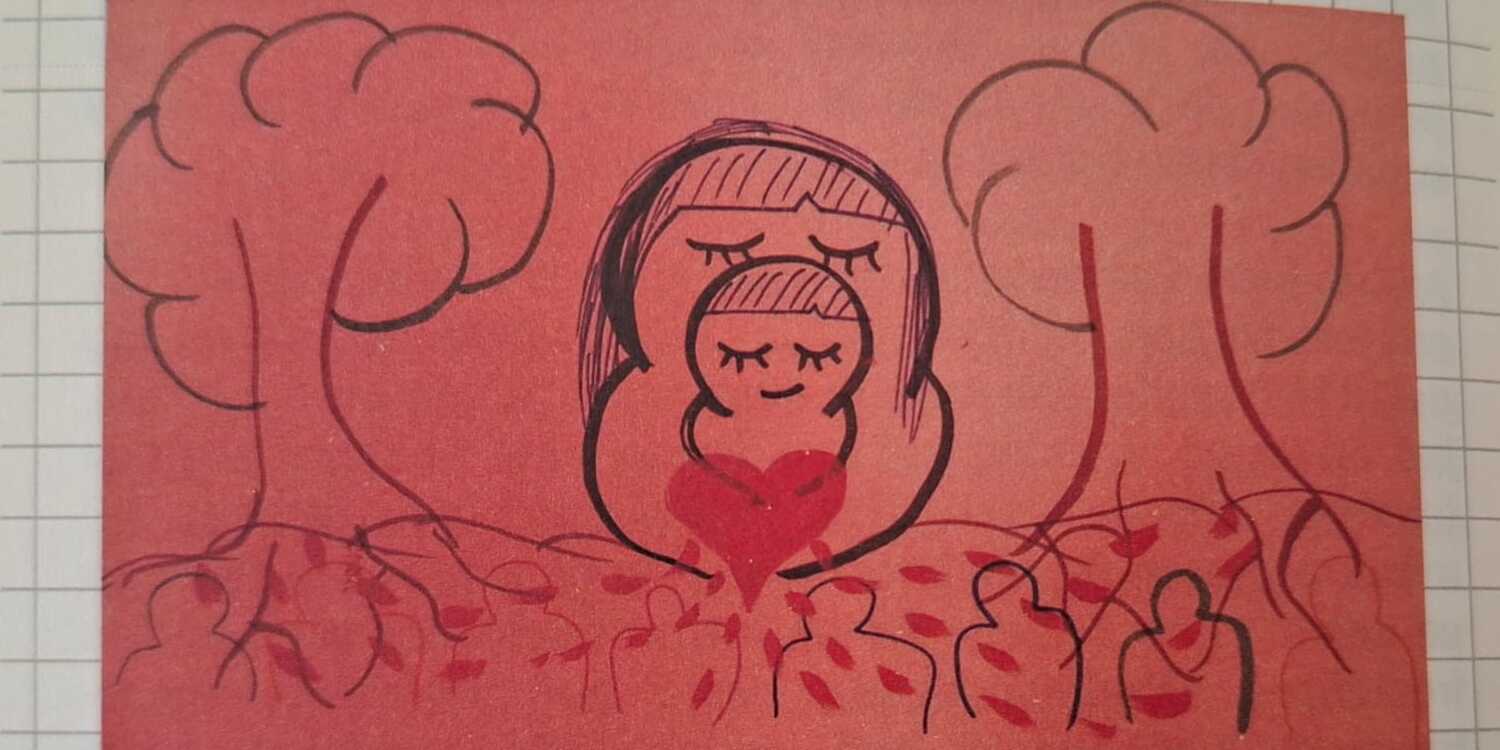
Researching and writing about care while trying to care for yourself… without dying in the process
The dilemma of writing about care work while being unable to care for oneself due to structural issues such as exploitation — or, in this case, the self-exploitation we are forced to endure in order to survive —i s one of the major contradictions we face as researchers engaged in revaluting this type of work.
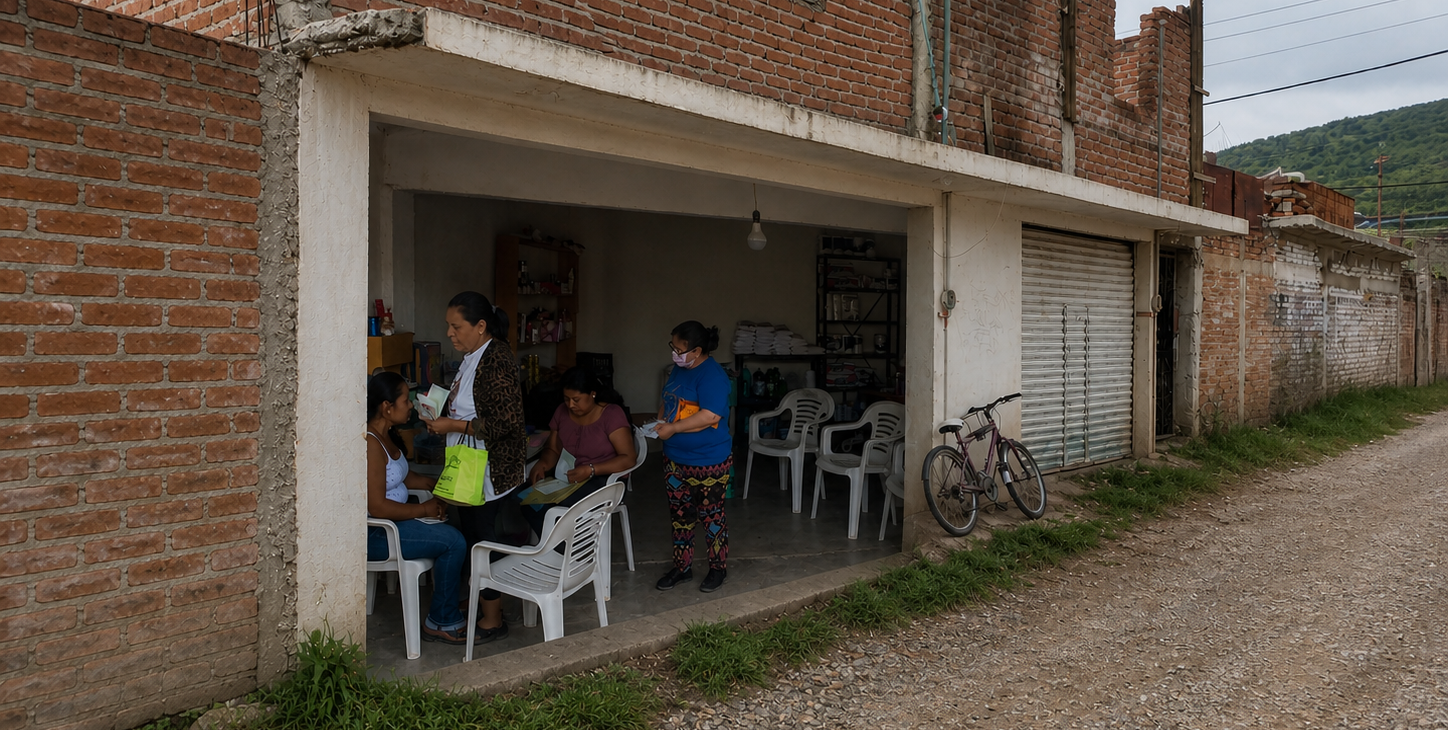
When care becomes infrastructure: community solidarity against gender violence in urban Mexico
In the outskirts of León, Guanajuato, where state institutions fall short, women have built community care networks that function as everyday infrastructure for surviving poverty and gender-based violence. Their practices are not perfect, but they make life liveable.

Commuting, Care and Wellbeing
Depopulation in rural areas is driven by youth outmigration and ageing. Limited access to jobs and services increases reliance on commuting, creating time burdens that disproportionately affect women due to unequal care responsibilities, reducing their wellbeing.
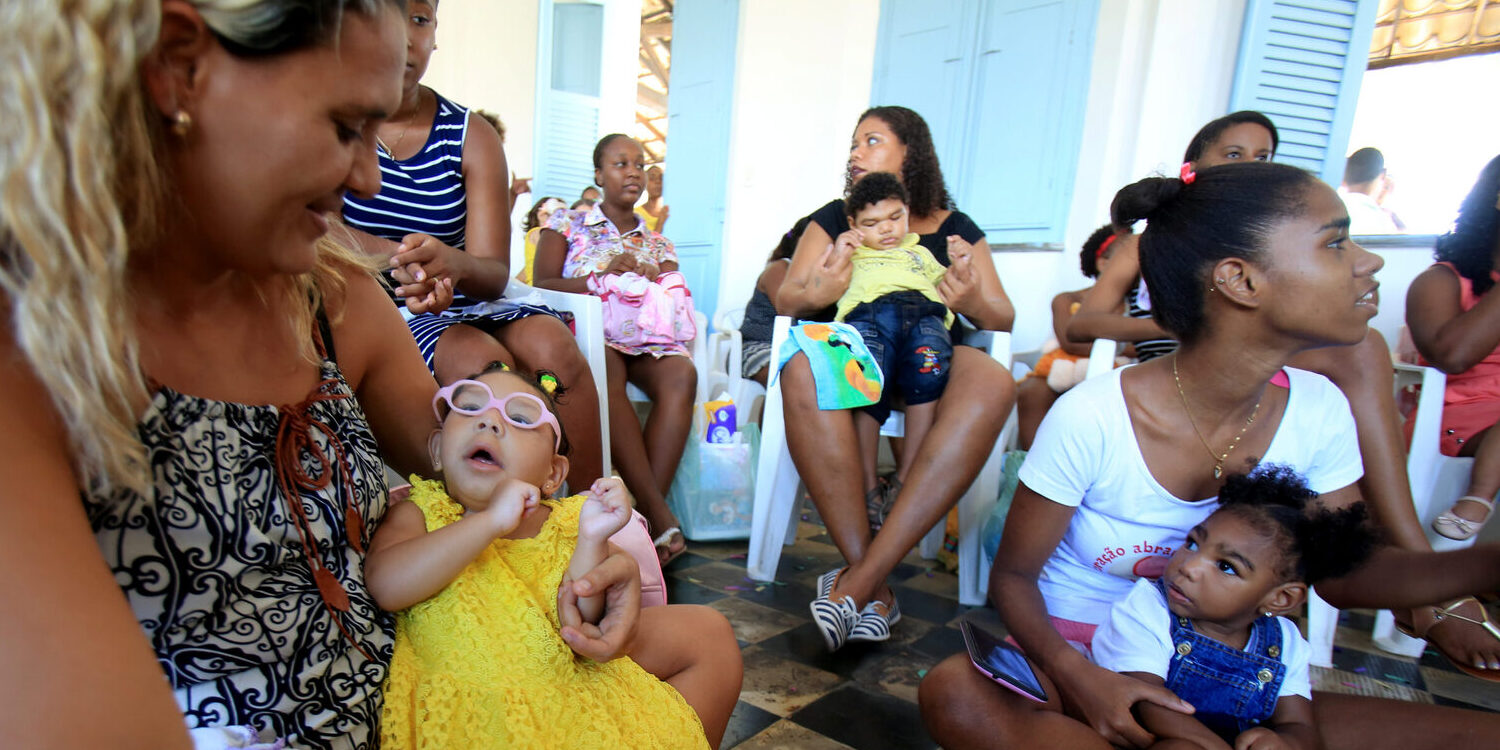
Debilitating Care
Brazil’s Zika epidemic left thousands of children with congenital Zika syndrome (CZS), most born to structurally vulnerable Black and mixed-race mothers who now carry the burden of lifelong care. The relentless demands of caregiving—shaped by poverty, fragmented services, and bureaucratic barriers—gradually wear mothers down physically and mentally. Their stories show how epidemics produce wider, unevenly distributed forms of embodied harm beyond those directly diagnosed with disease.

Care Norms and Carebots
Can robots care well? In thinking about our budding relationships with embodied AI, it is essential to reflect on the emergent norms that makes care possible for machines and humans alike.

The Power of Data in Care Work Policy
What can a laundry bucket teach us about how beliefs about the value of quantitative data in policy making shape efforts to address unpaid care work?

The Social and Cultural Role of Cooperation
In the face of growing social fragmentation and a crisis of care, cooperation offers an alternative way of organizing economic and social life. Drawing on Beatrice Potter Webb and the Italian cooperative tradition, this piece explores how cooperativism can regenerate social bonds beyond competition and extraction.

Toward a Care-Centered Economy: The Road to Gender-Inclusive Growth
Unpaid care work is the invisible engine that sustains the economy, yet it remains systematically undervalued in mainstream analysis and public policy. When states invest in human capabilities, women’s labor force participation strengthens—rather than strains—economic growth. To build a more inclusive economy, we must recognize, support, and more equitably share care work—work that makes all other work possible.

The Unseen Price: Gender and the Crisis of Unpaid Care in Southern Europe
In Southern European countries, the welfare system has historically relied on one silent pillar: the family. However, this once-resilient model is now an unsustainable trap, threatening gender equity and jeopardizing social sustainability. It is time to re-evaluate who truly pays the price of care.

Beyond Choice: Why Economics Needs Reproductive Justice
What if the concept of “choice” in reproductive decisions is an economic illusion? The Reproductive Justice framework, created by women of color, argues that true autonomy is shaped by systemic inequality. It’s time for economics to adopt this powerful lens.
Back to the Future? Women’s Work and Care in Argentina
In Argentina, the Milei government’s austerity agenda has dismantled the fragile infrastructures that sustain everyday life. Cuts to care programs and gender institutions have shifted social reproduction back onto women’s unpaid labor. The article traces how this erosion of care undermines both equality and democracy.
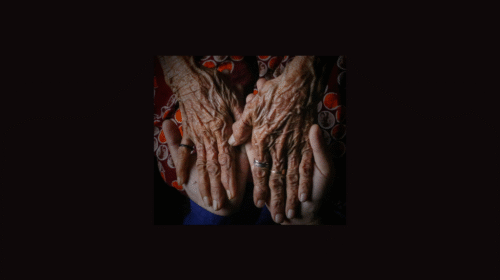
Is it Love and Unpaid Work? Variations on an Emerging Profession in the Popular Care Economy
Argentina’s popular care economy reopens questions about knowledge and labor “from below”, as well as their economic, political, and societal valorization in processes of professionalization.