Metrics
Making Care Work — Book Conversation with Nancy Folbre
Please join us on September 10, 12-1:30 EDT, for a conversation with Nancy Folbre on her recent book!
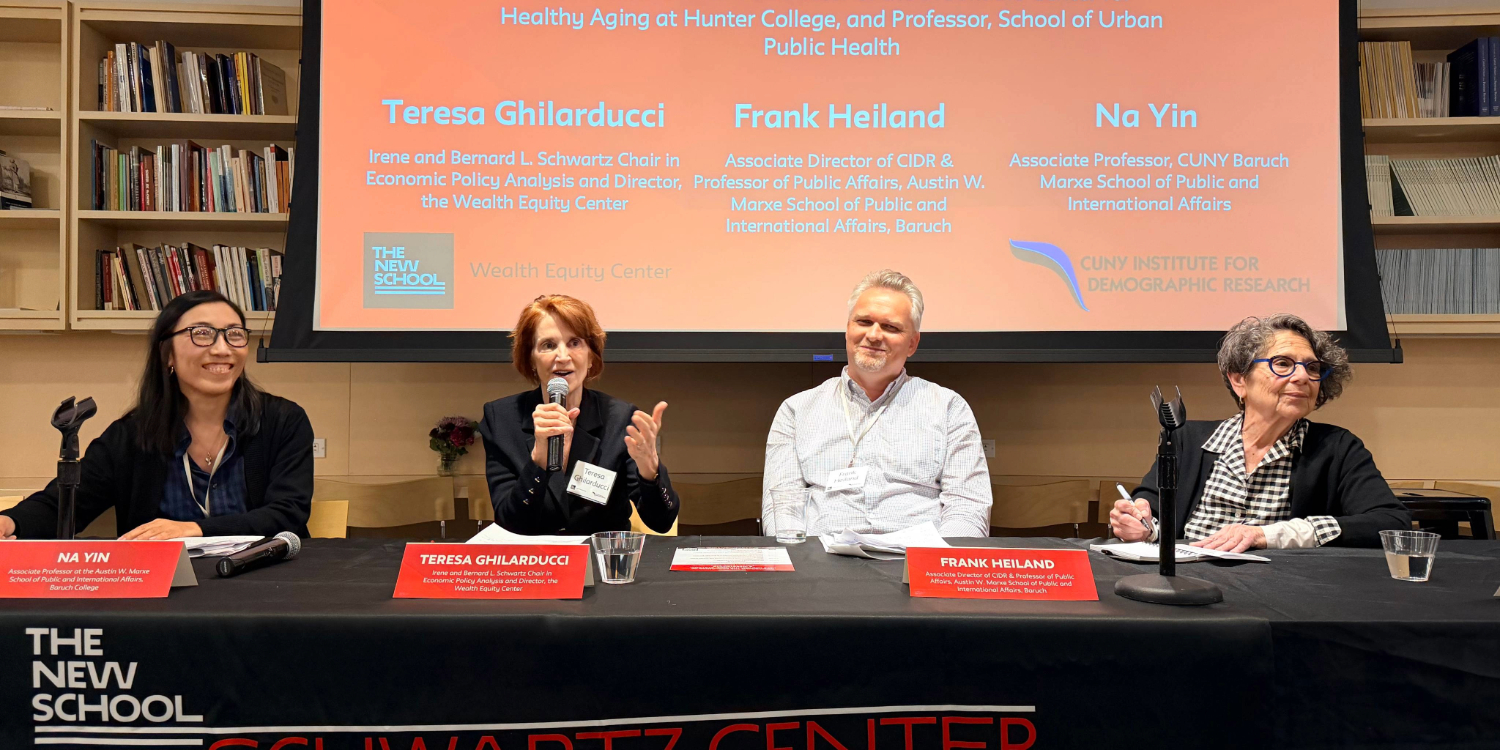
Reimagining the Economics of Late Life
Conference at the New School takes a care perspective on the economics of aging.

Commuting, Care and Wellbeing
Depopulation in rural areas is driven by youth outmigration and ageing. Limited access to jobs and services increases reliance on commuting, creating time burdens that disproportionately affect women due to unequal care responsibilities, reducing their wellbeing.
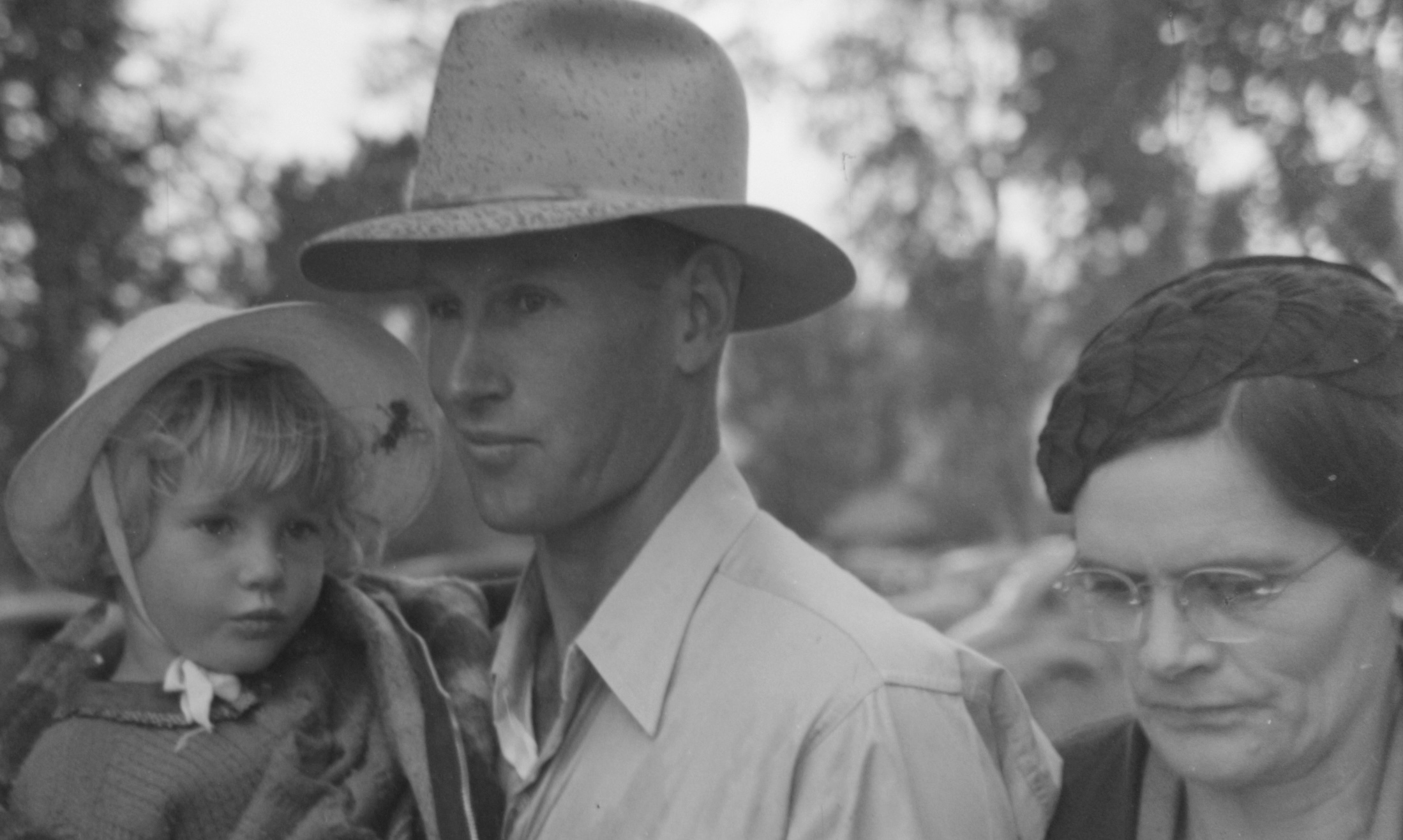
The Shrinking Cushion of Unpaid Care
What happened to the dream of a dual-earner/dual carer household?
Infrastructures of Wellbeing
Another webinar! Join us to learn about the link between geography, gender, and subjective well-being in Italy through research by Erica Aloè (Sapienza University of Rome), Roberta Di Stefano (Sapienza University of Rome), Marina Zannella (ISTAT), and Alessandra De Rose (Sapienza University of Rome).
️ Friday, March 27, 2026
⏰12:00-1:15PM (EDT)
Online
Registration free but required
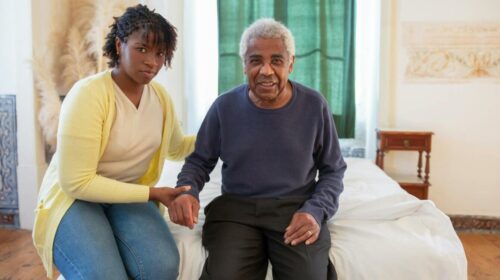
Discretion or Standardization? How States Assess Eligibility for Home Care
Millions of elderly people and people with disabilities depend on Medicaid-funded home care services. But there is a lot of variation in how states evaluate home care eligibility. Standardized assessments leave room for discretion and interpretation of what constitutes disability – which can be both a tool for personalized care and an obstacle for developing quality benchmarks.
Measuring Care
How do we measure care? What are the benefits and the limitations? Sign up for the seminar of Friday, December 6, 12-2pm ET

Time Poverty and Climate Shocks: How Married Women Bear the Brunt
As climate events like floods, droughts, and heatwaves intensify, their effects ripple beyond economic poverty and damage to physical assets. Emerging research sheds light on how these environmental crises impact women’s well-being. A crucial yet overlooked aspect is women’s time use, which often reflects social norms. My research dives into this vital area and reveals how climate shocks are driving married women deeper into time poverty in India.
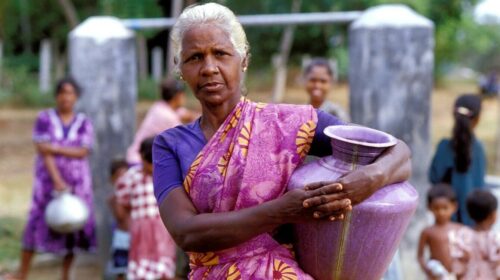
Why Valuing Care Work is Essential for a Fairer Economy
Unpaid care work is the hidden backbone of every economy. It sustains families, facilitates paid employment, and enhances human well-being, yet remains largely unrecognized in official economic statistics. In Sri Lanka, this work is gaining attention, championed by the new Prime Minister Dr. Harini Amarasuriya, who emphasized its importance in her inaugural parliamentary address.
Women’s Time Use between Paid and Unpaid Work in India
Women carry out a large share of the total unpaid work which leaves them very less time to engage in paid employment in India. This work tries to understand if there is a reduction in unpaid work when women engage in paid employment.
Working with Time-Use Studies
Is time-use a measure for care or exploitation? Three working papers of emerging scholars from the United States, India, and Sri Lanka, will examine the trade-offs of time-use. Register for Friday, September 27, 9-11am ET.

Understanding the Care Economy
Why we need better data on the care economy, how we can get it, and what we could do with it.