Social Practices
Cultured: Edible Experiments with More-than-Human Worlds
A conversation on the intimate, interspecies connections made possible by the everyday work of fermentation, in a workshop bringing science, critical theory, and community together. Participants will work co-create living kombucha or sauerkraut ferments to bring home.
️ Saturday, February 21, 2026
10:00AM-12:00PM
Duke Campus Farm
Light breakfast included
Registration is free but required

Care Norms and Carebots
Can robots care well? In thinking about our budding relationships with embodied AI, it is essential to reflect on the emergent norms that makes care possible for machines and humans alike.
Care, Radically
Join us for a work-in-progress presentation by Jessie Wilkerson (University of Tennessee), examining how networks of care emerge within labor conflict in Industrial Appalachia. Drawing on labor history and archival research, Care, Radically traces care as a collective and conflictual practice.
Monday, February 19, 2026
⏰ 5:00-6:30PM
Smith Warehouse, Bay 4, C106
️ Light dinner offered
Registration free but required

The Power of Data in Care Work Policy
What can a laundry bucket teach us about how beliefs about the value of quantitative data in policy making shape efforts to address unpaid care work?

The Social and Cultural Role of Cooperation
In the face of growing social fragmentation and a crisis of care, cooperation offers an alternative way of organizing economic and social life. Drawing on Beatrice Potter Webb and the Italian cooperative tradition, this piece explores how cooperativism can regenerate social bonds beyond competition and extraction.
Book Conversation with James McMaster
Join us for a conversation with writer and scholar James McMaster about his new book Racial Care: On Asian American Suffering and Survival. Through this work, McMaster examines the forms of care that Asian Americans have taken up to survive racialized suffering under neoliberal capitalism and white supremacy, showing how care can both sustain life and extract it from those who perform it. At the Care Lab, Smith Warehouse, Bay 4.

Toward a Care-Centered Economy: The Road to Gender-Inclusive Growth
Unpaid care work is the invisible engine that sustains the economy, yet it remains systematically undervalued in mainstream analysis and public policy. When states invest in human capabilities, women’s labor force participation strengthens—rather than strains—economic growth. To build a more inclusive economy, we must recognize, support, and more equitably share care work—work that makes all other work possible.
Urban Care in Bogotá
The Revaluing Care in the Global Economy project hosts an online bilingual seminar on Urban Care in Bogotá, exploring how the city’s Manzanas del Cuidado (Care Blocks) reshape local governance and the politics of care in Latin America. Wednesday, October 22, 2025 · 5:30–7:00 PM ET · Online
Informal Care in Southern Europe
The Revaluing Care in the Global Economy project hosts an online seminar on Informal Care in Southern Europe, examining how gendered dynamics and occupational impacts shape the challenges of informal care in the region. Monday, October 20, 2025 · 10:05–11:20 AM ET, online.
Book Conversation with Emma Amador
Join us for a conversation between historians Emma Amador and Cecilia Márquez. Drawing from her new book The Politics of Care Work (Duke University Press), Amador will explore how Puerto Rican women organized for social and economic justice through care work, both on the island and in the continental U.S., from the early 20th century to the present.
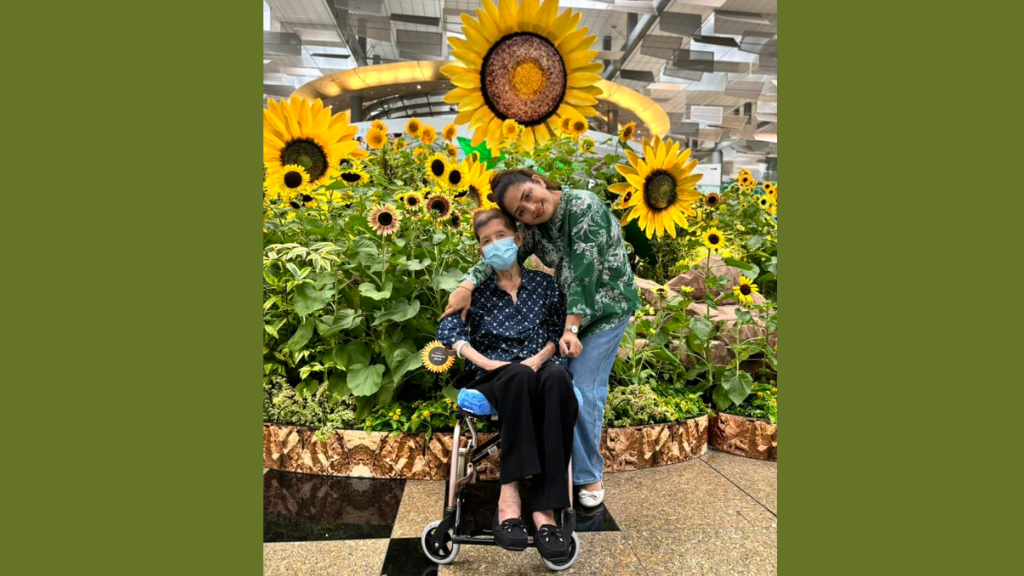
Learning from Migrant Care Workers About Transformative Ethics
The intersection of eldercare and migration reveals critical blind spots in dominant understandings of care ethics and practice.
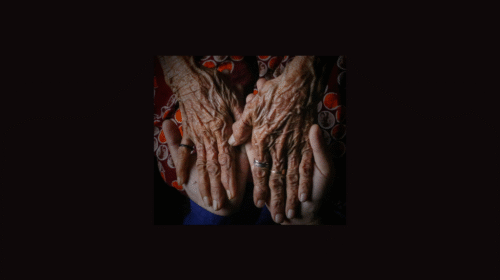
Is it Love and Unpaid Work? Variations on an Emerging Profession in the Popular Care Economy
Argentina’s popular care economy reopens questions about knowledge and labor “from below”, as well as their economic, political, and societal valorization in processes of professionalization.