Ecological care
Water and Care — Working Papers Seminar
Join us for a Working Papers Seminar on Water and Care, featuring two papers that explore the entanglement of care, ecology, and extraction in coastal and deep-sea environments.
Care and Territory
Join us for the last session in our Working Papers Seminar series! This time featuring two working papers on community, care, and territory in Mexico: one tracing collective care practices across Cerro Tepepolco and the chinampas of Xochimilco, expanding care beyond the human to encompass land, water, and biological diversity, and another examining how anarcho-magonista women sustained the Mexican Revolution through emotional labor and mutual aid. Response by Holly Worthen (Benito Juárez Autonomous University of Oaxaca).
Friday, April 24, 2026
12:00-2:00 PM (EDT)
Online (Zoom – Translated captioning available)
Registration free but required
Book Conversation with Wendy Harcourt
Join us for a conversation with scholar and RCGE Board Member Wendy Harcourt about her new open-access book Conundrums of Care: Feminist Entanglements in Critical Development Studies. Responses from fellow Board Members Arturo Escobar (UNC), Felwine Sarr (Duke University), and Suzanne Bergeron (University of Michigan).
Wednesday, April 29 / 10:00-11:00AM (EDT) / Online (Zoom – Translated captioning available) / Registration free but required
Everyday Ecologies: Working with Soil Time
A conversation and an opportunity to get up close to the living (and dying) post-plantation soils at the Duke Campus Farm, and to think together about the limits of repair. We’ll read an article by Anna Krzywoszynska and learn practical techniques for cultivating the Piedmont’s notoriously heavy clay soils.
️ Saturday, April 25, 2026
10:00AM-12:00PM
Duke Campus Farm
Light breakfast included
Registration is free but required
Breakdown: Thinking and Making Compost Together
This session centers compost as both material process and theoretical problem, exploring decay, waste, labor, and transformation through collective compost-making and discussion.
️ Saturday, March 28, 2026
10:00AM-12:00PM
Duke Campus Farm
Light breakfast included
Registration is free but required
Cultured: Edible Experiments with More-than-Human Worlds
A conversation on the intimate, interspecies connections made possible by the everyday work of fermentation, in a workshop bringing science, critical theory, and community together. Participants will work co-create living kombucha or sauerkraut ferments to bring home.
️ Saturday, February 21, 2026
10:00AM-12:00PM
Duke Campus Farm
Light breakfast included
Registration is free but required
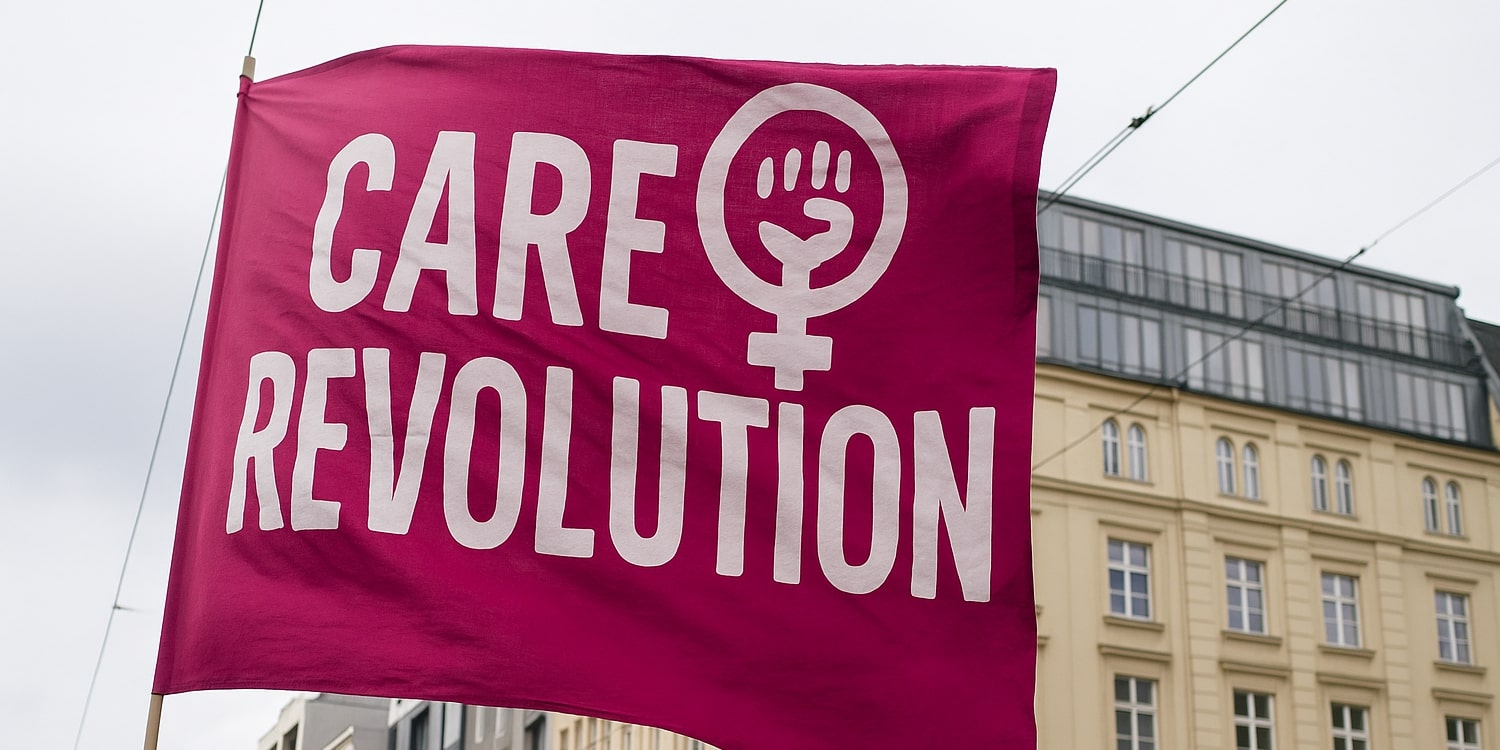
The Care Economy Revolution
Two very different projects argue that the care economy could bring about the end of capitalism as we know it.
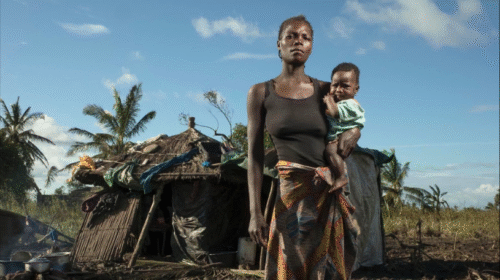
Care is Climate Infrastructure: Report from COP30
COP30 in Belém showed that there is no possible climate justice without placing care at the center of global solutions and investments.
Aula Verde – Tree Room: Art and Science for Climate Justice
As part of the series “Composting Theory: Ecological Care in Practice,” the Revaluing Care Lab at the FHI hosts “Aula Verde – Tree Room: Art and Science for Climate Justice,” a participatory workshop with artist and environmental engineer Andrea Conte exploring ecological art, forest science, and climate justice. Saturday, October 25, 2025 · 10:00 AM–12:00 PM ET · Duke Campus Farm.

Dispossession, World Ecology, and Care: A View from Kenya
Capitalism remakes relations among humans and between humans and more-than-human natures. This process has fostered a minimalist, productivist notion of care, commodifying or eroding relations that resist accumulation. Focusing on colonial Kenya, I explore how ecological crises and commodification disrupted interspecies patterns of care central to pastoral Maasai lifeways.
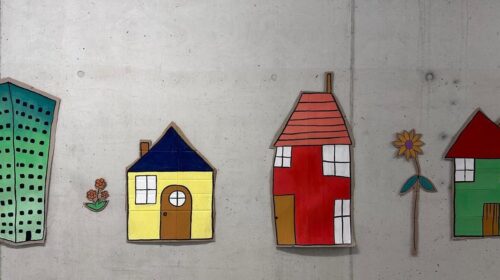
Governance of “Care” as an Urban Resource?
Care-full Municipalism offers a theoretical and policy vision for rethinking urban governance in ways that prioritize life-making over profit-making, sustainability over extraction, and collective responsibility over individual burdens.
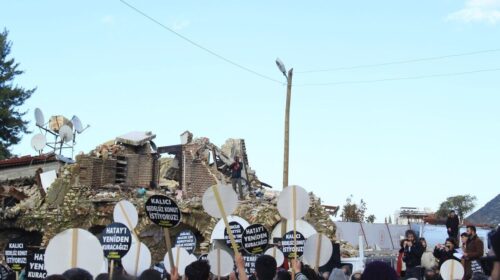
The Courage and the Scourge of Caring: Coal Miners’ Earthquake Search and Rescue Work
The Soma coal miners translated their underground skills into life-saving care after the February 6, 2023, earthquakes, acting swiftly where the state failed. Using traditional mining techniques, they reinforced the rubble, creating moments of survival through expertise, solidarity, and sheer physical courage. Their intervention exposes how care under capitalism remains reactive—yet, when organized, it holds the potential to resist collapse and build a different future.