Gender
Breakdown: Thinking and Making Compost Together
This session centers compost as both material process and theoretical problem, exploring decay, waste, labor, and transformation through collective compost-making and discussion.
️ Saturday, March 28, 2026
10:00AM-12:00PM
Duke Campus Farm
Light breakfast included
Registration is free but required
Cultured: Edible Experiments with More-than-Human Worlds
A conversation on the intimate, interspecies connections made possible by the everyday work of fermentation, in a workshop bringing science, critical theory, and community together. Participants will work co-create living kombucha or sauerkraut ferments to bring home.
️ Saturday, February 21, 2026
10:00AM-12:00PM
Duke Campus Farm
Light breakfast included
Registration is free but required

Gen Z Meets The Motherhood Gamble
The “motherhood gamble” goes viral on TikTok.
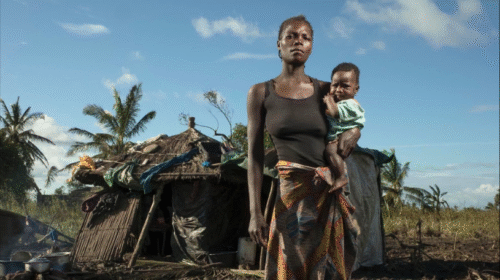
Care is Climate Infrastructure: Report from COP30
COP30 in Belém showed that there is no possible climate justice without placing care at the center of global solutions and investments.

Toward a Care-Centered Economy: The Road to Gender-Inclusive Growth
Unpaid care work is the invisible engine that sustains the economy, yet it remains systematically undervalued in mainstream analysis and public policy. When states invest in human capabilities, women’s labor force participation strengthens—rather than strains—economic growth. To build a more inclusive economy, we must recognize, support, and more equitably share care work—work that makes all other work possible.

The Unseen Price: Gender and the Crisis of Unpaid Care in Southern Europe
In Southern European countries, the welfare system has historically relied on one silent pillar: the family. However, this once-resilient model is now an unsustainable trap, threatening gender equity and jeopardizing social sustainability. It is time to re-evaluate who truly pays the price of care.
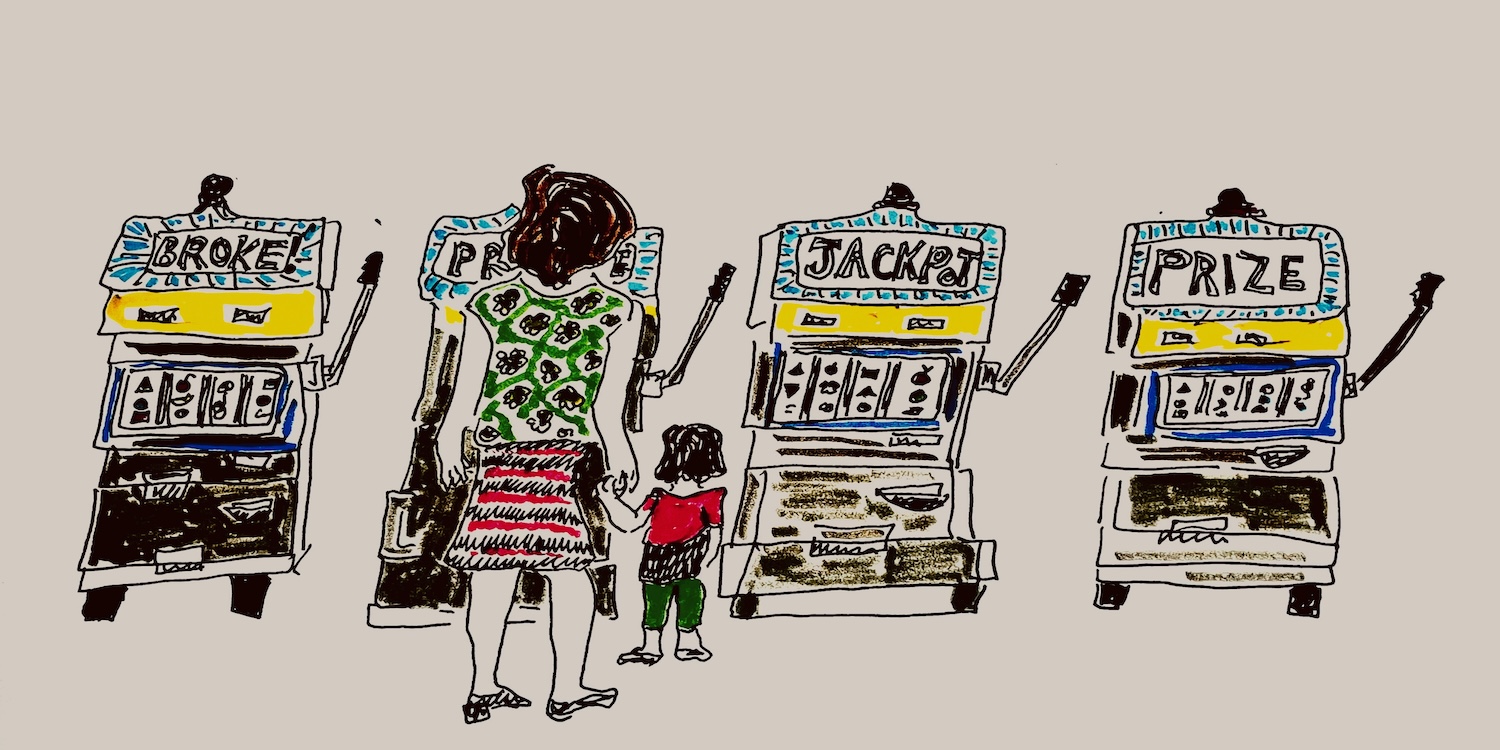
The Motherhood Gamble
While many mothers will enjoy adequate support from a partner, a considerable number are likely to pay a disproportionate share of the costs of raising children, putting their families at risk of poverty.

Back to the Future? Women’s Work and Care in Argentina
In Argentina, the Milei government’s austerity agenda has dismantled the fragile infrastructures that sustain everyday life. Cuts to care programs and gender institutions have shifted social reproduction back onto women’s unpaid labor. The article traces how this erosion of care undermines both equality and democracy.
Book Conversation with Emma Amador
Join us for a conversation between historians Emma Amador and Cecilia Márquez. Drawing from her new book The Politics of Care Work (Duke University Press), Amador will explore how Puerto Rican women organized for social and economic justice through care work, both on the island and in the continental U.S., from the early 20th century to the present.
Reproductive Justice and Economics
The Revaluing Care in the Global Economy project hosts an online seminar on Reproductive Justice and Economics, exploring how feminist economic frameworks can center reproductive justice as a core research paradigm. Wednesday, October 1, 2025 · 10:05–11:20 AM ET, online.
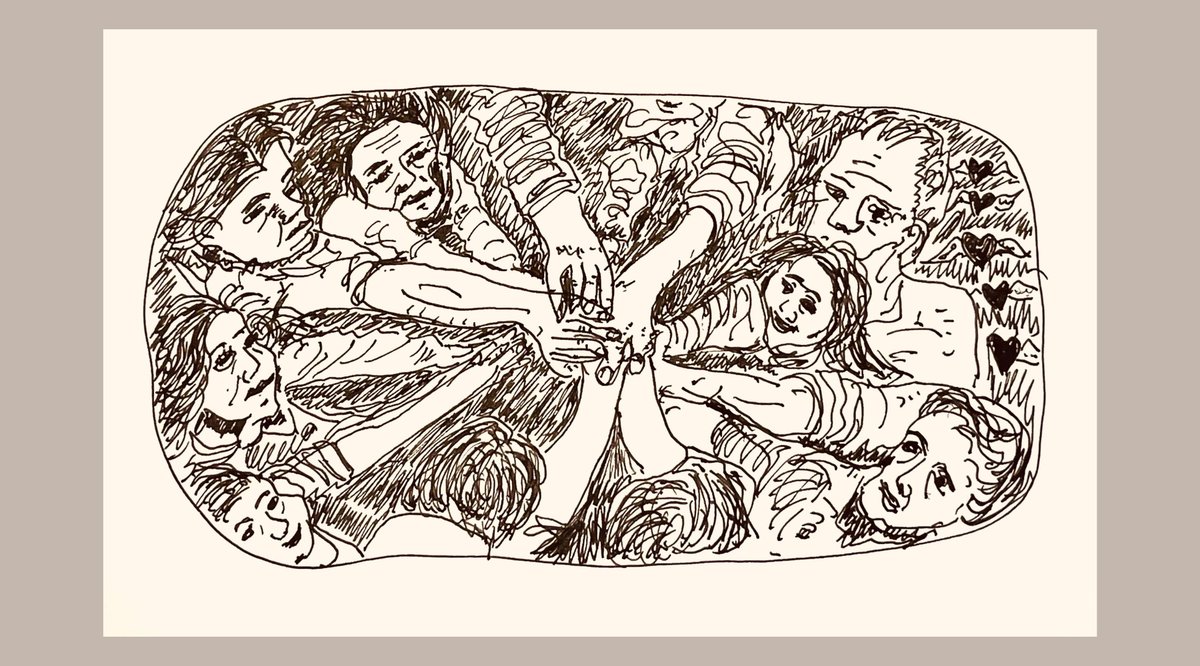
The Care Tide: Laying the Foundations for Transformative Policies in Latin America
A hard-fought campaign to recognize care as a human right has scored some important wins this month.
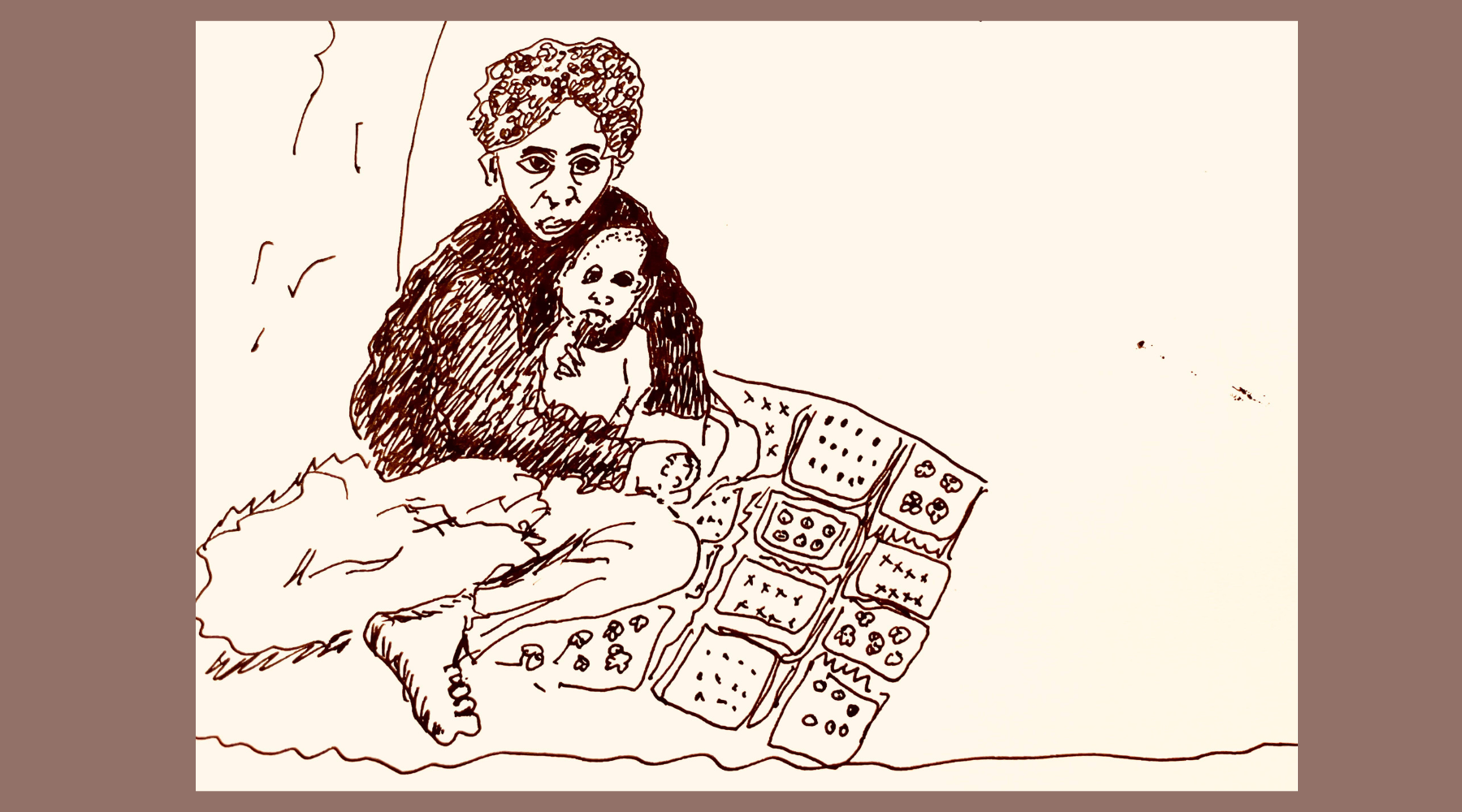
More Babies or Better Care for Newborns?
Pronatalists show remarkably little concern for the well-being of children already born—or their parents.