Are You Suffering from Low T?
Low Total Compensation Syndrome. It’s not you. It’s the economy—a silent epidemic affecting 51% of the population.
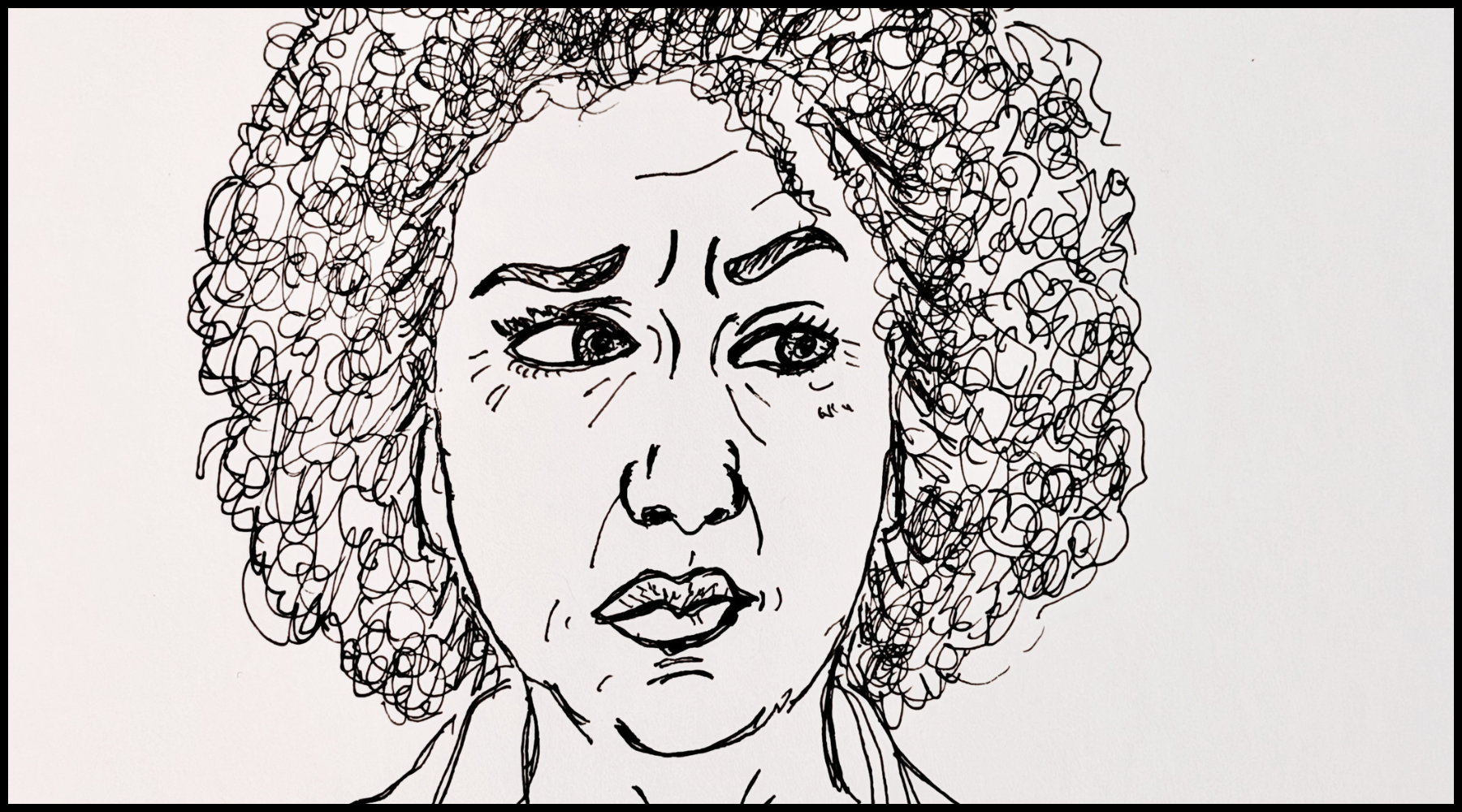
Do you feel tired at the end of the month, even when you’ve worked just as hard as everyone around you? Do you struggle to afford the same lifestyle as your male colleagues, despite identical qualifications? Have you noticed a persistent gap between your effort and your reward — a kind of invisible ceiling that no one will acknowledge out loud?
You may be suffering from Low T — Low Total Compensation Syndrome.
Check your symptoms:
- Chronic underpayment, often undetected for years
- Reduced retirement savings despite decades of contribution
- Unexplained exhaustion from performing emotional labor not reflected in your salary
- Difficulty “leaning in” due to structural forces your wellness app cannot fix
- A nagging sense that your work is valued differently when performed by someone who resembles the people who set the pay scales
If you experience three or more of these symptoms, talk to your employer — or better yet, your union representative.
The science is clear.
Low T doesn’t discriminate. It affects women in the boardroom and the break room. In the hospital ward and the classroom. It is found at elevated rates among women of color, single mothers, and anyone whose reproductive choices are visible to Human Resources.
Researchers believe Low T may be caused by a complex interaction of historical factors, institutional inertia, and the widespread societal belief that care — for children, for patients, for aging parents, for colleagues in emotional distress — is not really work.
Left untreated, Low T can result in:
- Lifetime earnings losses of $400,000 or more
- Retirement poverty
- A persistent condition known clinically as doing more for less and being told to be grateful
What can you do?
Unfortunately, Low T cannot be treated with a topical gel. Do not apply AndroGel. It will not help. The underlying cause of Low T is not hormonal. It is not a personal deficiency. It cannot be corrected by negotiating more assertively, dressing more strategically, or finding a mentor who will explain the culture to you over coffee you were not offered.
Low T is a systemic condition requiring systemic treatment: pay transparency legislation, universal care infrastructure, revaluation of feminized occupations, and the radical idea that the market price of labor has never been ideologically neutral.
Ask your senator if structural reform is right for you.
Side effects of treatment may include: corporate discomfort, lobbying activity, and op-eds in the Wall Street Journal about the death of meritocracy.
This work is licensed under a Creative Commons Attribution-NonCommercial-NoDerivatives 4.0 International License. Artwork by Nancy Folbre.
Beth Dunlop
Wonderful! Thank you.