Revaluing Care in the Global Economy
Global Perspectives on Metrics, Governance, and Social Practices
Working Papers Seminar Series
Care, Radically
Join us for a work-in-progress presentation by Jessie Wilkerson (University of Tennessee), examining how networks of care emerge within labor conflict in Industrial Appalachia. Drawing on labor history and archival research, Care, Radically traces care as a collective and conflictual practice. Monday, February 16, at 5pm in person at the Revaluing Care Lab at the FHI.
Working Papers Seminar Series 2025-2026
This is the fourth edition of the Working Papers Seminar Series, an online forum where early- and mid-career scholars share work in progress with experts from the interdisciplinary field of care studies. The Fall 2025 cycle is fully supported by the Revaluing Care Lab at the Franklin Humanities Institute, Duke University.
In Person Events
Cultured: Edible Experiments with More-than-Human Worlds
A conversation on the intimate, interspecies connections made possible by the everyday work of fermentation, in a workshop bringing science, critical theory, and community together at the Duke Campus Farm. Participants will work co-create living kombucha or sauerkraut ferments to bring home. 🗓️ Saturday, February 21, 2026 🕙10:00AM-12:00PM 📍 Duke Campus Farm 🥞 Light breakfast included […]
Durba Mitra: “Gender History in the Time of Gender Ideology”
Durba Mitra, the Richard B. Wolf Associate Professor of Women, Gender, and Sexuality at Harvard University, and author of Indian Sex Life: Sexuality and the Colonial Origins of Modern Social Thought and The Future That Was: A History of Third World Feminism Against Authoritarianism, will deliver this year’s Anne Firor Scott Lecture in Women’s and Gender History: “Gender History […]
Working Papers Blog
Care Norms and Carebots
Can robots care well? In thinking about our budding relationships with embodied AI, it is essential to reflect on the emergent norms that makes care possible for machines and humans alike.
The Social and Cultural Role of Cooperation
In the face of growing social fragmentation and a crisis of care, cooperation offers an alternative way of organizing economic and social life. Drawing on Beatrice Potter Webb and the Italian cooperative tradition, this piece explores how cooperativism can regenerate social bonds beyond competition and extraction.
The Power of Data in Care Work Policy
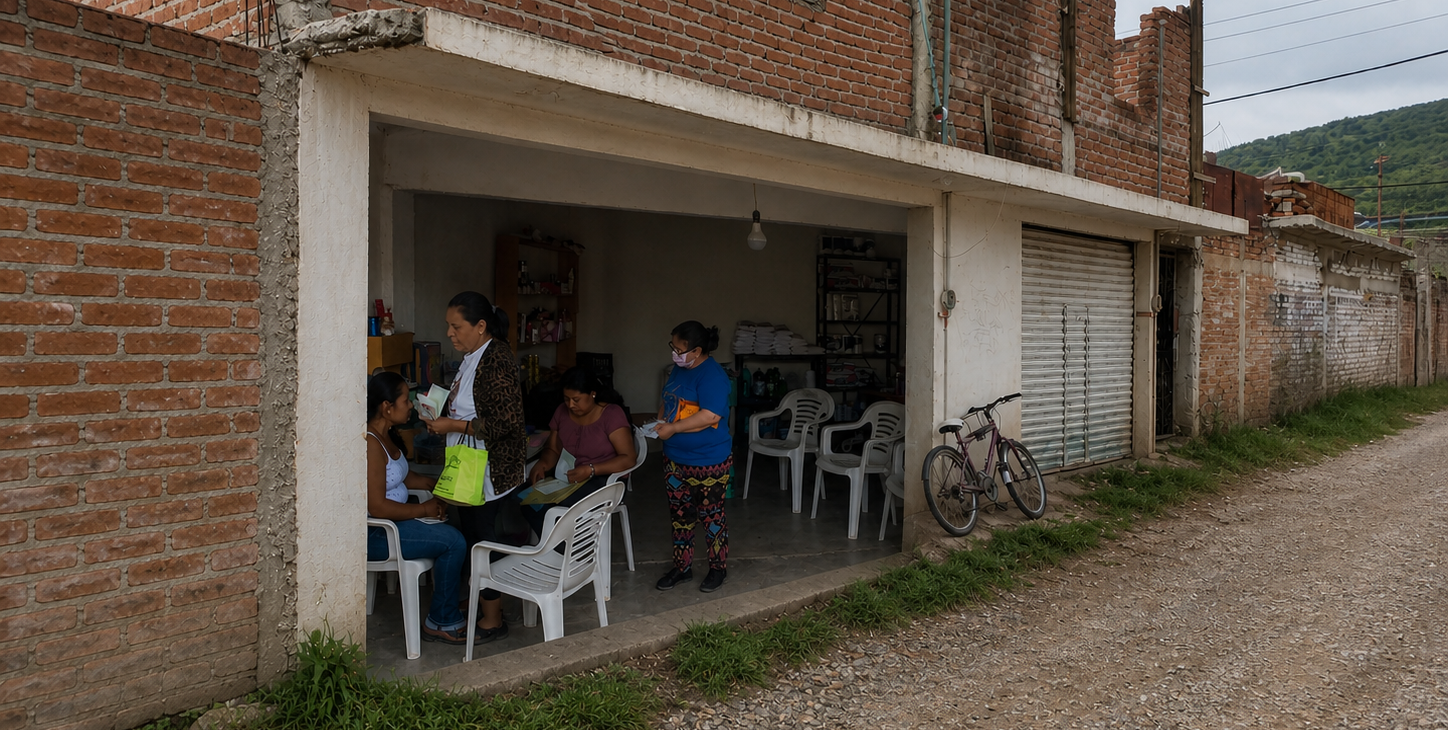
What can a laundry bucket teach us about how beliefs about the value of quantitative data in policy making shape efforts to address unpaid care work?
The Unseen Price: Gender and the Crisis of Unpaid Care in Southern Europe
In Southern European countries, the welfare system has historically relied on one silent pillar: the family. However, this once-resilient model is now an unsustainable trap, threatening gender equity and jeopardizing social sustainability. It is time to re-evaluate who truly pays the price of care.
Care Talk Visit Care Talk Archive
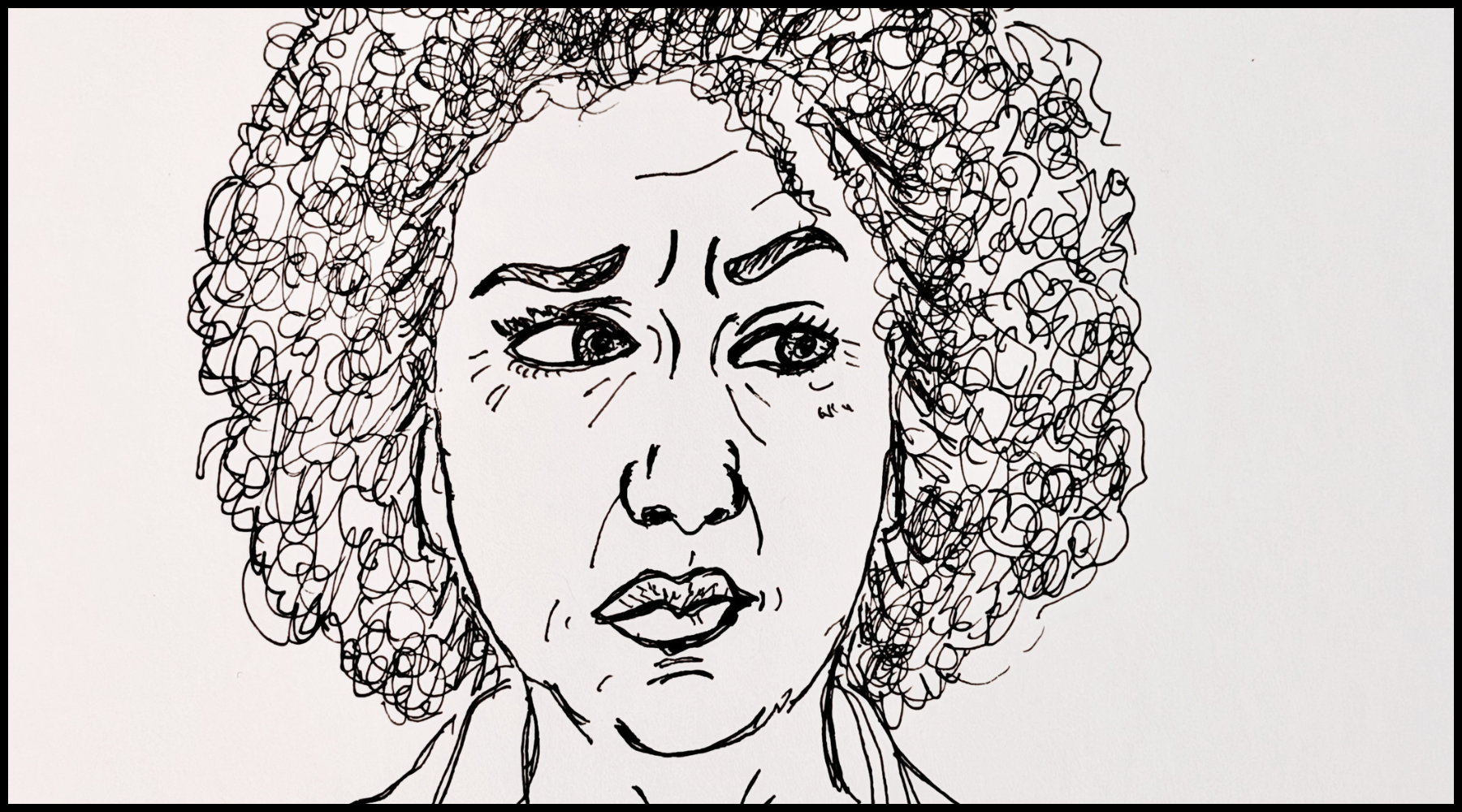
The Motherhood Gamble
While many mothers will enjoy adequate support from a partner, a considerable number are likely to pay a disproportionate share of the costs of raising children, putting their families at risk of poverty.
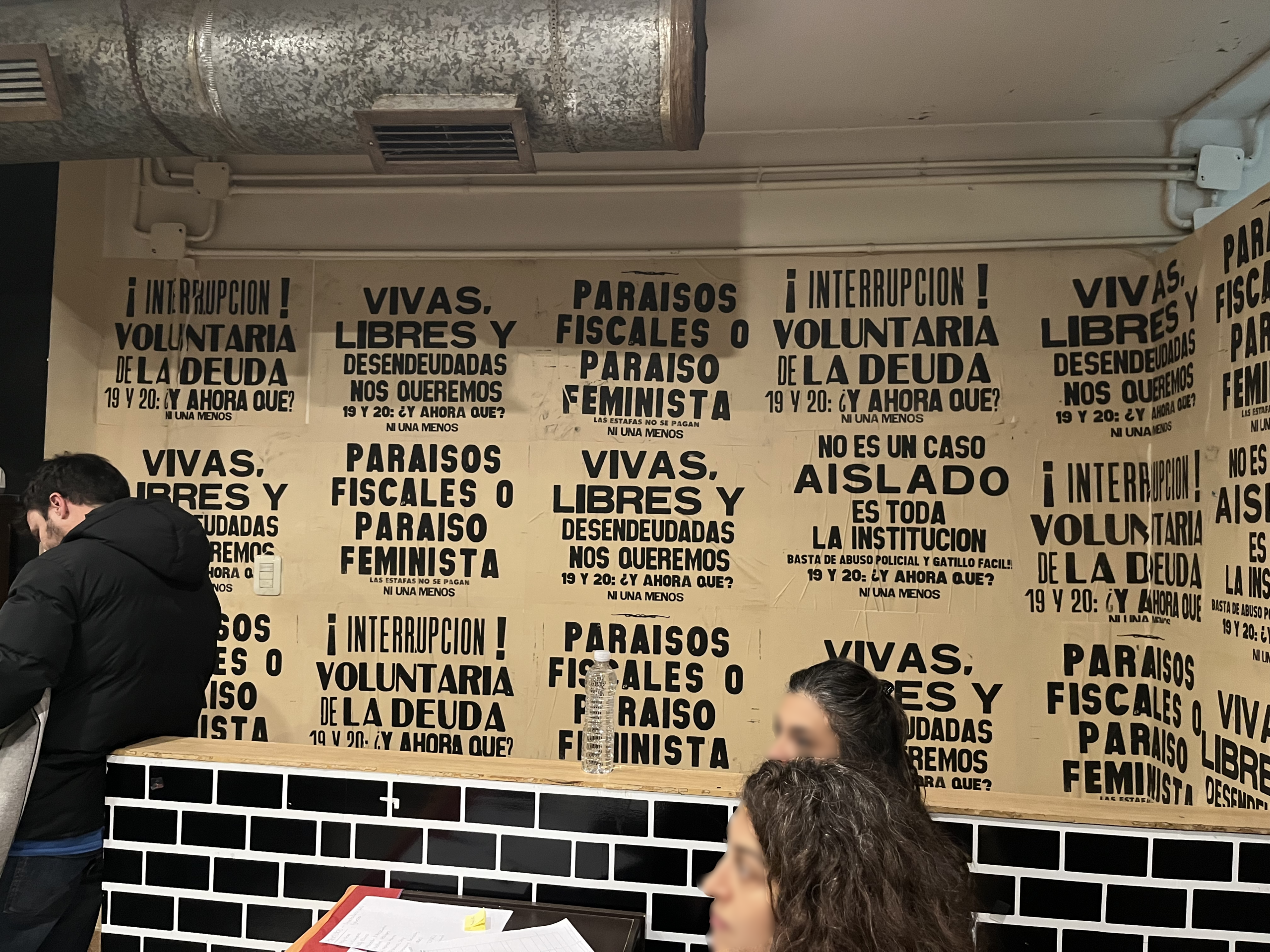
Care is Climate Infrastructure: Report from COP30
COP30 in Belém showed that there is no possible climate justice without placing care at the center of global solutions and investments.
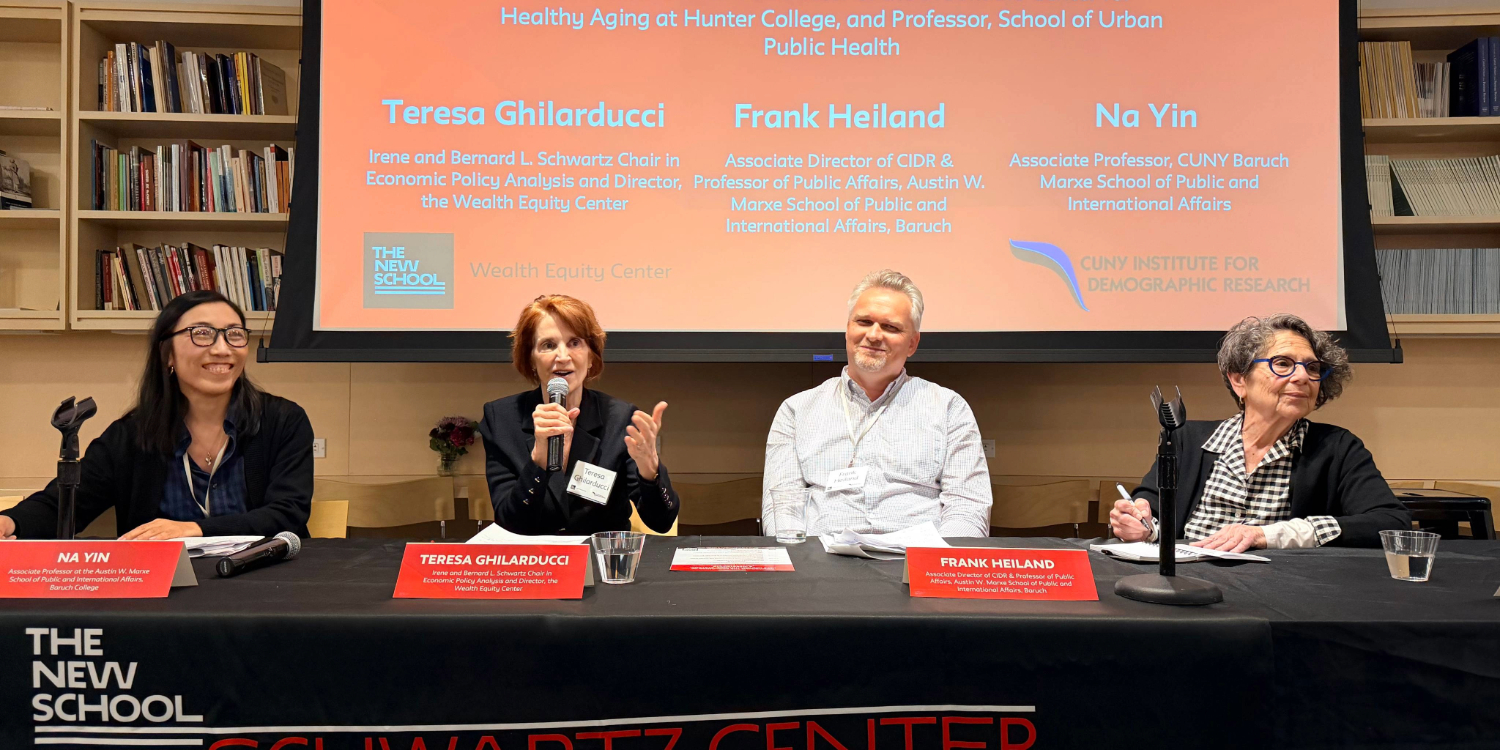
Taxing the Top
As the distribution of both wealth and income has become unequal, political efforts to tax the top to finance investment in public goods like childcare have gained traction.
More Babies or Better Care for Newborns?
Pronatalists show remarkably little concern for the well-being of children already born—or their parents.
The Activist Intellectual Legacy of Eileen Boris
Eileen Boris’s retirement conference looks toward the future of the history of care work.
The Underestimated “Price of Parenting”
The private cost of raising children in the United States is at least twice as high as recent estimates suggest.
Sponsors