War Dollars, Care Dollars (and No Sense)
Nancy Folbre
19 March 2026What are the care costs of a senseless war?
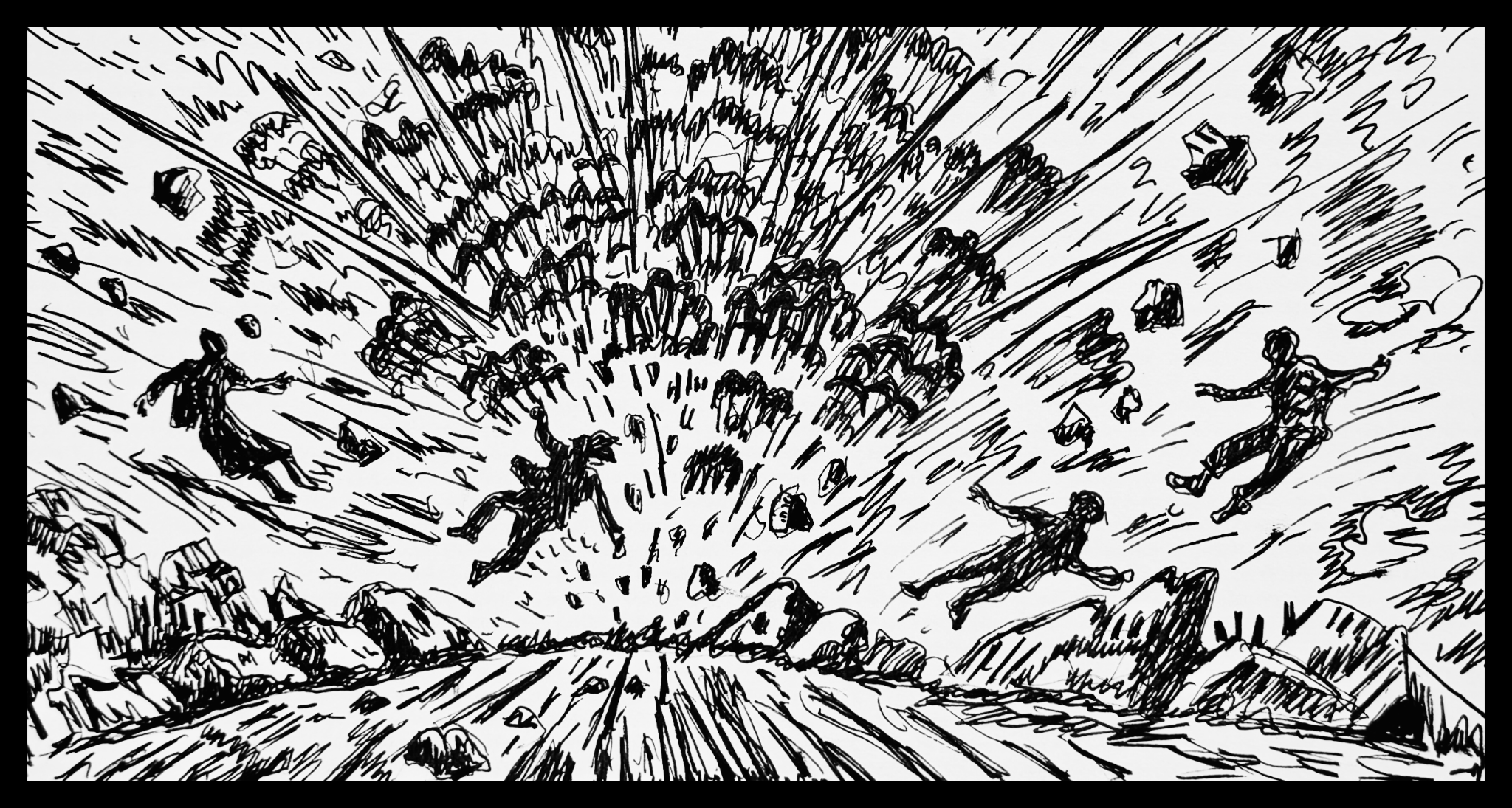
As of March 16, the cost to the U.S. military of the combined U.S-Israeli attack on Iran has been estimated to be as high as $1 billion per day (you can find an accounting ticker online). However, this estimate may be too low, since the Pentagon put a price tag of $5.6 billion on the munitions expended on the first two days of the attacks alone and has now asked the White House to approve a more than $200 billion request to Congress to fund the war in Iran.
No authoritative data are available on the costs of damage to the Iranian economy or civilian mortality. However, Amnesty International found that a U.S. strike that killed over 100 school children resulted from a failure to take feasible precautions to avoid civilian harm. About 13 members of the U.S. military have died in the conflict, and more than 200 have been wounded. According to Bloomberg, toxic pollution from the Iran war “will spread and last for decades.”
It seems like a good time to compare the running tally of war dollars with the cost of relentless attacks on public care provision in the United States over the last year and reflect on why the resulting debris is not getting more attention.
The so-called Big Beautiful Bill passed last summer cut Medicaid funding by a trillion dollars over the next 10 years, or $100 billion per year, and cut the taxes of the top 1% of earners by even more—$116 billion a year. Low-income Americans will (obviously) lose the most—especially those living in rural areas, which supply a disproportionate share of U.S. military recruits but have been especially hard hit by hospital closures and cutbacks to care services.
The cuts to Medicaid in one year alone are enough to finance 100 more days of bombing Iran or tax cuts for the rich—neither of which would benefit most Americans. Soldiers can perhaps get their health care from the military rather than their hometowns, but once they are released from service they will find that medical services for veteranshave been slashed, as well as the many staff tasked with evaluating benefit claims.
Because Medicaid finances not only medical care but also the majority of long-term care services in the United States, proposed reductions are wreaking havoc elsewhere. Many middle-class elderly spend down their assets paying for long-term care and, as a result, end up relying on Medicaid-financed nursing homes or home-and-community-based services. On top of the budget cuts, administrative decisions to loosen regulations for long-term care work have weakened staffing requirements in ways that will degrade the quality of services. On the other hand, it’s entirely possible that cuts to Medicaid will lead to increases in mortality that will reduce the need for eldercare.
The Trump administration is currently pursuing regulatory changes to the Supplemental Nutritional Assistance Program (SNAP) that will eliminate assistance for about 6 million low-income Americans, including 2 million children. The Congressional Budget office projects savings of slightly more than $1 billion a year—about the cost of one day’s attack on Iran.
Oddly, many conservatives, including Vice President J.D. Vance, complain about declining birth rates even as they oppose public support for child care and paid family and medical leave. The expiration of pandemic-related assistance provided to the childcare industry by the Biden administration (so-called “stabilization funding”) has driven many paid childcare providers out of business and increased prices for parents. Recent accusations of fraud supposedly amounting to $1 billion (again, one whole day of bombing!) provided an excuse for the Trump administration to freeze transfers of $10 billion in federal childcare funds to several Democratic-controlled states. While legal action blocked this effort, the resulting delays and uncertainties further increased stress on childcare businesses.
Notice how interconnected these cuts to the “care sector” are—spanning age groups, poor and middle-class families, family policy, and labor market policy. The pace of change is gradual, seldom eliminating programs overnight but allowing temporary programs to expire, or phasing in reductions over several years. Yet the practical effects—center closures, staffing shortages, and reduced access to services—emerge quickly once the underlying financial support disappears.
Why don’t we hear more about these cuts in the news? They attract fewer viewers and fewer online hits than images of buildings bombed to rubble. They are executed (perhaps intentionally) by changes in rules, eligibility, and fine print rather than by explosions. Their final effects are mediated by state efforts to compensate for federal actions, leading to uneven patterns of damage.
Maybe these cuts become invisible because they make us feel weak, rather than strong, feminine rather than masculine. Maybe President Lyndon Johnson was onto something when he called for a War on Poverty. Even though that war was not entirely successful, it was surely better than the current War on Care.
This work is licensed under a Creative Commons Attribution-NonCommercial-NoDerivatives 4.0 International License. Artwork by Nancy Folbre.