Ecological care
Everyday Ecologies: Working with Soil Time
Focusing on soil as a living archive, this workshop reflects on questions of time and maintenance through hands-on soil work.
🗓️ Saturday, April 25, 2026
🕙10:00AM-12:00PM
📍 Duke Campus Farm
🥞 Light breakfast included
🎫 Registration is free but required
Breakdown: Thinking and Making Compost Together
This session centers compost as both material process and theoretical problem, exploring decay, waste, labor, and transformation through collective compost-making and discussion.
🗓️ Saturday, March 28, 2026
🕙10:00AM-12:00PM
📍 Duke Campus Farm
🥞 Light breakfast included
🎫 Registration is free but required
Cultured: Edible Experiments with More-than-Human Worlds
A conversation on the intimate, interspecies connections made possible by the everyday work of fermentation, in a workshop bringing science, critical theory, and community together. Participants will work co-create living kombucha or sauerkraut ferments to bring home.
🗓️ Saturday, February 21, 2026
🕙10:00AM-12:00PM
📍 Duke Campus Farm
🥞 Light breakfast included
🎫 Registration is free but required
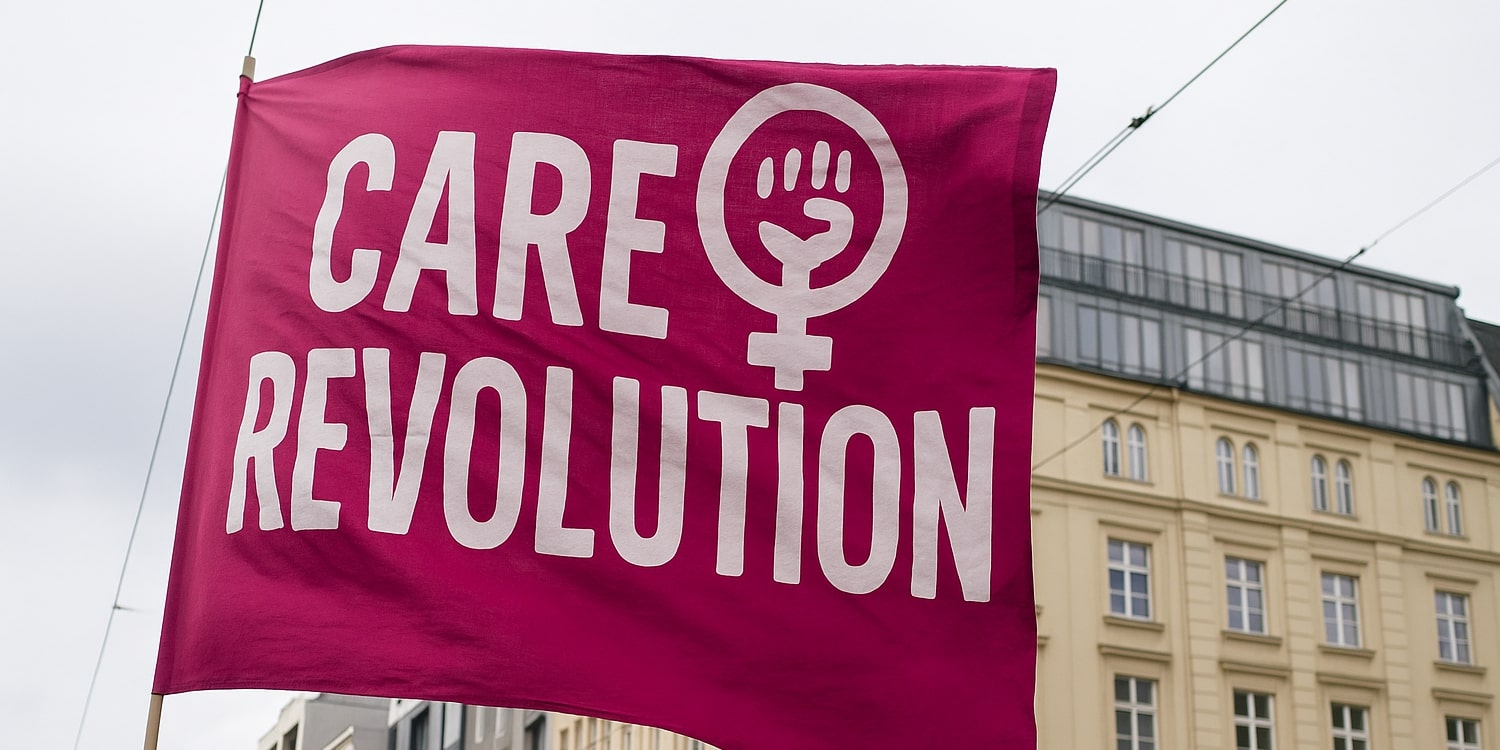
The Care Economy Revolution
Two very different projects argue that the care economy could bring about the end of capitalism as we know it.

Care is Climate Infrastructure: Report from COP30
COP30 in Belém showed that there is no possible climate justice without placing care at the center of global solutions and investments.
Aula Verde – Tree Room: Art and Science for Climate Justice
As part of the series “Composting Theory: Ecological Care in Practice,” the Revaluing Care Lab at the FHI hosts “Aula Verde – Tree Room: Art and Science for Climate Justice,” a participatory workshop with artist and environmental engineer Andrea Conte exploring ecological art, forest science, and climate justice. Saturday, October 25, 2025 · 10:00 AM–12:00 PM ET · Duke Campus Farm.
Composting Theory: Ecological Care in Practice
Composting Theory · Ecological Care in Practice is a hands-on workshop series developed by the Revaluing Care Lab in collaboration with the Duke Campus Farm. The series explores ecological care as a feminist and posthumanist practice through material engagement with soil and living systems, and collective reflection. Workshops are on scheduled Saturdays from 10 am to 12 pm ET.

Dispossession, World Ecology, and Care: A View from Kenya
Capitalism remakes relations among humans and between humans and more-than-human natures. This process has fostered a minimalist, productivist notion of care, commodifying or eroding relations that resist accumulation. Focusing on colonial Kenya, I explore how ecological crises and commodification disrupted interspecies patterns of care central to pastoral Maasai lifeways.
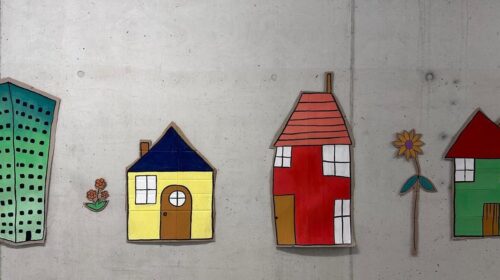
Governance of “Care” as an Urban Resource?
Care-full Municipalism offers a theoretical and policy vision for rethinking urban governance in ways that prioritize life-making over profit-making, sustainability over extraction, and collective responsibility over individual burdens.
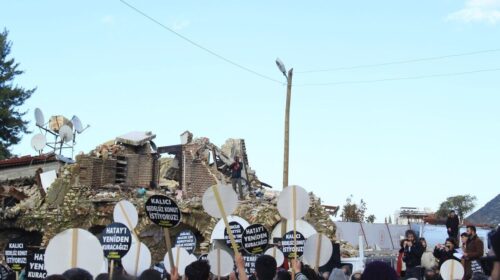
The Courage and the Scourge of Caring: Coal Miners’ Earthquake Search and Rescue Work
The Soma coal miners translated their underground skills into life-saving care after the February 6, 2023, earthquakes, acting swiftly where the state failed. Using traditional mining techniques, they reinforced the rubble, creating moments of survival through expertise, solidarity, and sheer physical courage. Their intervention exposes how care under capitalism remains reactive—yet, when organized, it holds the potential to resist collapse and build a different future.

Destruction as Care
Destruction as care means imagining more-than-human flourishing. The experience of Galician common lands challenges the idea that care only sustains life. Acts of destruction, like cutting trees, can also be care, questioning whose life is being reproduced and why. More-than-human relationalities in land management expand ideas of ecological reciprocity.

Caring in, for, and of the Venetian Lagoon
Venice and its lagoon are an excellent showcase and laboratory for how social and environmental intertwine. Care writing offers many mature theoretical perspectives that combine the analysis of social and environmental systems and call for a joint study of human and nonhuman care. The time is ripe for the next step: joint empirical research on these topics, emphasizing the need for immediate action to address global care and environmental crises.